A common experience for a Child and Youth Care worker
is to walk into a shift and find four situations presenting themselves
simultaneously. Our immediate task is to plan the time and set the
priorities.
In the corner four kids are playing a
boisterous version of Monopoly – the rules have been hijacked, new
(decidedly lewd) "Chance" cards have been scribbled, every move is an
innovation and the mood is hilarious. Near the far wall, one kid is lying on
her back staring at the ceiling, headphones clamped to her head, loud enough
to he heard from over here. Near the bookshelves two boys are arguing
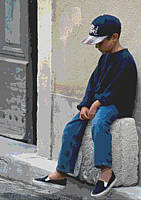
loudly, some torn books lying around at their feet. And one youngster (whom
we might easily have missed) is sitting alone, disconsolately, just outside
the door in the yard.
In circumstances like these we
usually think in terms of urgency and importance. And we think in
terms of short-term and long-term. If we have an hour with this group, we
know that the hour is important in itself as a chunk of time which can be
fun and fulfilling – or unpleasant and destructive. We also know that the
hour is another brick in a larger wall – and for some youth it may well have
more enduring significance. What to do?
You decide. I think of a lesson from Bruno Bettelheim’s Orthogenic School in
Chicago. A teacher working with a group of severely troubled and needy
students can do several things at once. She can affirm activities which are
on the go; she can set up some plans with kids who don’t know what to do;
she can turn a blind eye to what she doesn’t need to notice; she can head a
disaster off at the pass; she can do some first aid in the trouble spots –
so that she is free to spend time on what is really important.
Often what seems most urgent takes all our time; often we tackle the
important things without regard for the milieu ...




































 Listen