



































The complete set of 198 Hints are available in paperback from the CYC-Net Press store.
 Listen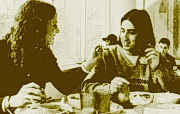
How do we avoid kids in residence feeling unstimulated
and isolated, and help them to take responsibility and feel effective? We
might use group activities for this, but even when residential units today
are far smaller than formerly, we can take our cue from the phrase "everyday
events" – a core concept in our field.
An example: Once a week at Red Roofs, where there are seldom more than nine
young people in the program, someone is invited to dinner. This could be a
member of a youngster’s family, perhaps a teacher from one of their schools,
the corner shopkeeper, a child and youth worker from another unit, whoever.
The staff prompt with "What would be a good night for a guest next week?"
and "Who could we invite?" and youth themselves suggest guests and then take
care of the invitation. Several guests become ‘favourites’ and are invited
more often.
Talking about this easy plan, staff consider it to be one of their most valuable activities.
1. There is a sense of occasion, as the guest may be known to some of the children but not to all, and most often the guest will come with his or her spouse, so they get to meet new people.
2. The guests love to be asked and they therefore come with positive attitudes to the program which gives out helpful messages to kids who are reluctant or uncomfortable in the program.
3. Everyone can be involved at some level. Great ideas include choosing a menu ("Let’s get the boys to cook this time!"), table decorations (girls do flowers or candles, boys choose ‘special arrangements’ like pine cones or low lights) and "Who will sit where – and why?" Leave arrangements to the young people and they will surpass your own creativity – one 17-year-old "jock" decided he would make attractive menus, another decided on background (!) music.
4. Even though occasions are kept relaxed and nobody has to stay on and "entertain’ after the meal, most enjoy having a visitor. But all learn simple skills like planning and cooking, or discriminating between "family" behaviour and "guest" behaviour.
The idea takes something which happens in the unit anyway, like dinner, and adds an extra ingredient to what kids get out of the program.
Bon appetit!


