



































The complete set of 198 Hints are available in paperback from the CYC-Net Press store.



 Listen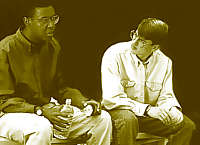
Children usually come to us from families which have experienced shifting fortunes, discord, unexpected crises, frequent moves ... to all of which family members reacted with denial, blame, violence, helplessness, despair, flight or abandonment. The adults have often been preoccupied by their struggles, felt unsupported, had to work long hours, become survival oriented, resentful ... and they have not spent time talking with their children. The children have thus not understood the cause-and-effect links in the circumstances and behaviours of their families. Rather, they have come to see their world as arbitrary and unpredictable, capricious and hostile. They often see others as "bad" and untrustworthy, they come to feel helpless – and often feel guilty or responsible about all that has happened.
We Child and Youth Care workers get to be the adults who accompany kids through their time with us, and of course we will initially offer comfort and reassurance to such youngsters – of whatever age. But we cannot leave kids with the perception of their lives as a succession of threats and crises which they must somehow survive or be defeated by. If we do this, they remain anxious, watchful and pessimistic – and can often become unhealthily dependent on us as their ‘protectors’. Rather, as soon as we can, we offer a rich regimen of information, commentary and explanation which builds inside of the youth a realistic understanding of how they are connected to events and people in their lives.
In helping kids to make sense of their worlds, we actively seek to extract the maximum possible learning and empowerment for them in our environment – and a very useful method is to debrief after any significant event (an argument or conflict, a loss or a gain, a failure or an achievement). Some essential components of debriefing are:
An objective description or demonstration of what has happened. ("I saw that you ...") This communicates not only the sequence of cause and effect, but also that we were present, attending.
Acknowledgement of feelings. ("It's scary/exciting/worrying when ...") We allow kids normal feelings rather than denial or shame.
Universalising ("I think most people would feel threatened/encouraged by ...") We reassure them that in such circumstances their feelings are not unusual or wrong.
Explanation of the rational sequence of events. "She probably got a fright/was surprised ... so she ... and you ...") We emphasize logical sequences of cause and effect, moving away from such "faulty beliefs" as "I'm no good, other people always, the only way is ...
Refer to personal and interpersonal differences. ("People feel differently about that ... some people don't mind ... now if this had been Jane ...") We convey a belief that the youth can master more complex sets of possibilities and dynamics.
Preparation (and maybe rehearsal) for future events. ("Imagine that this might happen again tomorrow: what could we do...? Try that with me ...") Predicting and planning for similar circumstances which might re-occur, we convey a sense of mastery rather than victimhood.
... and what further ideas do you have for this task of debriefing?
A youngster could leave a challenging or hurtful experience feeling more confused and vulnerable, confirming his belief that life is against him – or he could leave with greater understanding and increased feelings of empowerment and personal responsibility for managing realities in the future.
In brief, debrief!


